
English| EUR
Suggested for you
More currencies
Choose a language
Marco Island sits at the northern edge of the Ten Thousand Islands, where tidal currents carry mollusks from deep Gulf waters onto shallow sand flats. The question isn't whether you'll find shells—it's whether you'll arrive when the tide and season align. This guide covers the beaches, the windows, and the species that make the trip worthwhile.
Quick answer
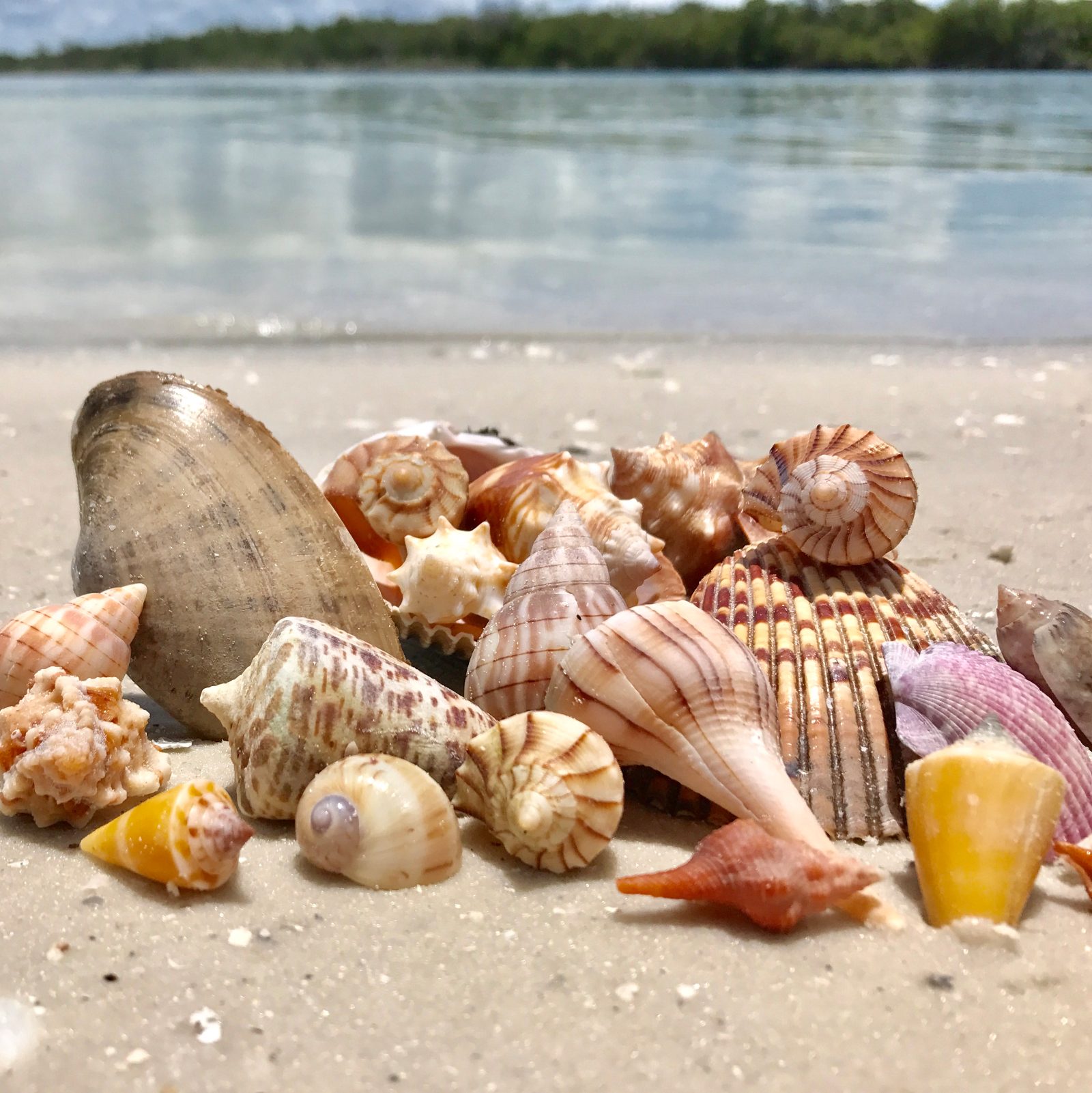
Yes, Marco Island is excellent for shelling, particularly at Tigertail Beach and along the sandbars that emerge during low tide. The island's position at the mouth of the Ten Thousand Islands creates strong tidal flow that deposits intact shells daily. Winter and early spring offer the highest diversity, with sand dollars, conchs, and fighting conchs appearing regularly after cold fronts push specimens onto the flats.
Marco Island ranks among Florida's top three shelling destinations, trailing only Sanibel and Captiva in collector reputation but offering far lighter crowds and better parking access. The island's geography matters: it sits where the Gulf of Mexico meets a maze of mangrove estuaries, creating tidal channels that funnel mollusks from offshore beds onto accessible beaches twice a day. Unlike the shell piles common on Sanibel, Marco Island shelling rewards early risers who walk the wet sand as the tide recedes, not tourists who arrive at noon expecting ready finds. Tigertail Beach anchors the shelling circuit. The beach itself is a half-mile crescent of white sand, but the real draw is the tidal lagoon and the sandbar system that stretches north toward Big Marco Pass. At low tide, the lagoon drains to reveal firm sand flats studded with olive shells, coquinas, and the occasional lightning whelk. The sandbar—locally called the "spit"—extends hundreds of yards during spring low tides and disappears entirely during summer high water. Collectors who time their visit to the morning ebb find fighting conchs, tulip shells, and intact sand dollars in the shallow channels between ridges. The species list changes with water temperature: winter brings horse conchs and true tulips; summer shifts toward smaller bivalves and juvenile specimens. The mechanics of Marco Island shelling success come down to three variables. First, tide height—anything below 1.5 feet exposes the productive flats; anything above 3 feet covers them. Second, wind direction—southwest winds push shells onto the beach, while northeast winds carry them offshore. Third, timing within the lunar cycle—new and full moons create spring tides that deposit shells farther up the beach, while neap tides leave the lower beach bare. A winter cold front followed by a morning spring low tide is the ideal combination, but even average conditions at Tigertail Beach outperform the Gulf-facing public beaches at Resident's Beach and South Marco Beach, which lack the tidal complexity that traps specimens. Sand dollars appear most reliably from December through March, often half-buried in the wet sand near the waterline. Fighting conchs—the tan-and-brown spiral shells prized by collectors—cluster in the lagoon's deeper pockets during outgoing tides. Olive shells and coquinas wash in daily but are small and easily overlooked unless you crouch and scan the shell hash at the tide line. Live mollusks are protected under Florida law, so collectors learn to check each shell for occupants before pocketing it. The best shellers carry a mesh bag, wear water shoes for the shell-studded flats, and walk slowly with eyes on the sand rather than the horizon. Parking at Tigertail Beach fills by mid-morning on winter weekends, and the daily fee applies to all visitors. The walk from the lot to the lagoon is short, but the walk along the sandbar to the productive northern flats can stretch past a mile depending on tide and ambition. Most collectors make the trip once, fill a bag in two hours, and leave satisfied. Repeat visitors learn the tide charts, track the wind, and know that the week after a storm often delivers the season's best finds.
“The island's position at the mouth of the Ten Thousand Islands creates tidal channels that funnel mollusks from offshore beds onto accessible beaches twice a day.”
The most productive time for shelling occurs during the low tide window, particularly in the cooler months when shell deposition is more frequent. Aligning your visit with morning tides maximizes your access to the shoreline before high tide covers the deposits.
Mild, 60-75°F. Cool temperatures and frequent winter storms often churn up more shells from the gulf floor.
Warm, 70-85°F. This period offers pleasant conditions and calm waters, though competition for specimens is higher.
—. These sessions provide the best opportunities to scout the beach before it is picked over by other visitors.
Verdict: Weekday mornings during the low tide, specifically in the months of December through February, provide the most favorable conditions for shelling.
Tigertail Beach is the primary public access point for shelling on Marco Island, located at 480 Hernando Dr. Visitors typically reach the productive shelling areas by navigating from the main parking lot across the shallow tidal lagoon to the outer barrier beach.
Follow Collier Blvd (SR 951) south, turn onto Kendall Dr, and then onto Hernando Dr to reach the parking lot.
Walk from the parking area across the shallow lagoon to reach the Gulf-side beach.
Arrive between 08:00–10:00 to secure parking and reach the shelling grounds during the morning low tide. Be prepared to wade through shallow water to cross the lagoon toward the outer beach.
Tigertail Beach provides public access to the shoreline daily. The facility maintains consistent operating hours throughout the week.
Maximize your shelling success on Marco Island with these field-tested techniques for finding and identifying specimens.
Look for the debris line left by the previous high tide where shells often collect. Focus your search here before walking toward the water.
A long-handled mesh scoop allows you to sift through sand and water without constant bending. This tool preserves your energy and increases your coverage area.
Target the two hours before and after low tide for the widest exposed beach area. This timing provides access to shell beds usually covered by deeper water.
Only collect shells that are clearly empty and unoccupied by living creatures. Leave sand dollars and starfish in place if they show any signs of life.
Focus on areas with coarse sand or shell hash rather than fine, powdery sand. These environments naturally trap heavier shells as the tide recedes.
Use a mesh bag to collect shells so sand and water can easily drain away. This makes cleaning your finds much simpler once you return home.
Everything you need to know about is marco island good for shelling
Yes, Marco Island is widely considered a premier destination for finding diverse mollusks and gastropods. The natural tides and protected shorelines create ideal conditions for beachcombers looking to add to their collections. As you explore, remember that local regulations prioritize the preservation of live specimens. Visitors often ask is Marco Island good for shelling because the variety of species found here is quite extensive compared to other regional locations. It remains a top choice for those seeking to spend time by the Gulf of Mexico.
The best time to visit is during the morning low tide. You should aim to arrive between 08:00 and 10:00 to maximize your time on the sand before the afternoon heat and daily crowds arrive. Planning around the lunar cycle can also help you identify the lowest tides for better access to tidal flats.
Access to public beach areas requires a daily parking fee of 10 USD. This fee covers parking at designated public access points such as Tigertail Beach. Please ensure you have payment ready for the parking kiosks upon arrival.
Yes, the shallow waters and expansive shoreline make the island a family-friendly location for beach activities. Parents often ask is Marco Island good for shelling for their children because the area is relatively safe and provides endless hours of discovery. Always supervise children near the water and encourage them to leave any live creatures in their natural habitat.
You should bring a mesh bag for collecting your finds and water-friendly shoes to protect your feet from shells or uneven surfaces. Carrying plenty of water and sun protection is essential for a comfortable experience. Some collectors also bring a small hand trowel for sifting through the sand near the water line.
The beaches are open seven days a week, including weekends, from 08:00 to 20:00. This daily accessibility ensures you can plan your trip whenever the tide charts look most favorable. Consistency in opening hours makes it easy to schedule your visit around optimal weather conditions.
Many enthusiasts find that the island provides a unique opportunity to spot a variety of colorful specimens. While luck is always a factor, the natural geography of the region supports a healthy marine ecosystem that frequently washes up interesting treasures. If you are serious about your hobby, focusing on the areas less traveled by tourists often yields the best results.
Tour Prices
Read more GuideCustomer Reviews
Read more Tickets & tours10,000 Islands Boat Tours
Read more Tickets & toursBest Shelling Tours
Read more GuideShell Types Guide
Read more Tickets & toursSightseeing & Shelling Tours
Read more Tickets & toursPrivate Shelling Tours
Read more Tickets & toursDolphin & Shelling Tours
Read more